

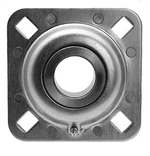
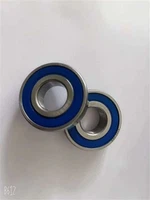

Ball Bearing
HGV Bearings is a fast growing company based in China. We have over 20 years experience. We have full range of bearings, such as deep groove ball bearnigs, taper roller bearings, pillow block bearings, spherical roller bearings, wheel hub bearings, agriculture bearings and so on. Have P0 P6 P5 three grade precision levels to meet different application enviroment.
Why Choose Us
Our Factory
Factory 5000 Square Meters Bui, 200 Enterprise Employees,100Cooperating Partner.With strong production capacity, we can quickly produce the products you need and deliver them to you quickly.
Global Shipping
Products are sold all over the world, such as: Germany, Russia, Turkey, Iran, Vietnam, India and so on, products are widely recognized and praised.
24 Hours Online Response
Experience round-the-clock support with our 24 Hours Online Response service. We are here to answer your queries and provide timely assistance at any hour. No matter the issue you're facing, our team is available around the clock to ensure you receive prompt support.


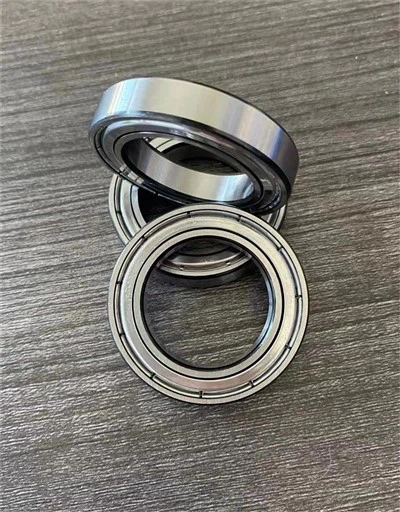

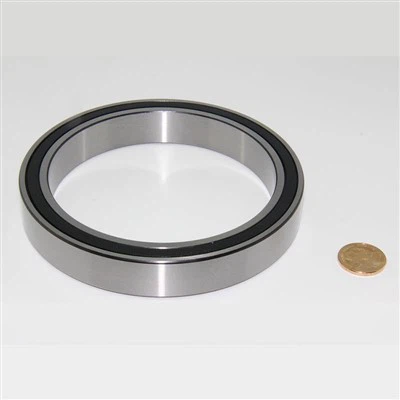


Types of Ball Bearing
Angular contact ball bearings
There is a contact angle between the ring and the ball. The standard contact angles are 15°, 30°, and 40°. The larger the contact angle, the greater the axial load capacity. The smaller the contact angle, the more conducive to high-speed rotation. Bear radial load and unidirectional axial load. The two single-row angular contact ball bearings that are combined in structure on the back share the inner ring and the outer ring and can bear radial load and bidirectional axial load.
Self-aligning ball bearings
Double-row steel balls, the outer ring raceway is an inner spherical type, so it can automatically adjust the shaft misalignment caused by the deflection or misalignment of the shaft or the casing. The tapered hole bearing can be easily installed on the shaft by using fasteners. bear radial loads.
Thrust spherical roller bearings
In this type of bearing, the spherical rollers are arranged obliquely. Since the raceway surface of the raceway is spherical and has self-aligning performance, the shaft can be allowed to have some inclination, and the axial load capacity is very large. Radial load, oil lubrication is generally used when used.
Deep groove ball bearings
Structurally, each ring of a deep groove ball bearing has a continuous groove-type raceway with a cross-section of approximately one-third of the equatorial circumference of the ball. Deep groove ball bearings are mainly used to bear radial loads, and can also bear certain axial loads.
When the radial clearance of the bearing increases, it has the properties of an angular contact ball bearing and can bear axial loads alternating in two directions. Compared with other types of bearings of the same size, this type of bearing has a small friction coefficient, high limit speed, and high precision, and is the preferred bearing type for users when selecting models.
Application of Ball Bearings
Ball bearings are also used in some other applications, as outlined below:
Usage in Transport
Ball bearings are used in wheels, skateboards, and automated vehicles. Cars typically use around 36 ball bearings, while some use even more. They are used in cars for the AC compressor, engine, gearbox, suspension, transmission, and other parts, as well as in the construction of airplanes and construction vehicles. They are also used for tractors and motorcycles.
Usage in Appliances
Uses of ball bearings are present in several other appliances, namely ACs, refrigerators, generators, dishwashers, drying machines, ovens, vacuum cleaners, food processors, and many more.
Usage in Other Devices
They are included in gaming consoles, computer fans, ATMs, and other devices.
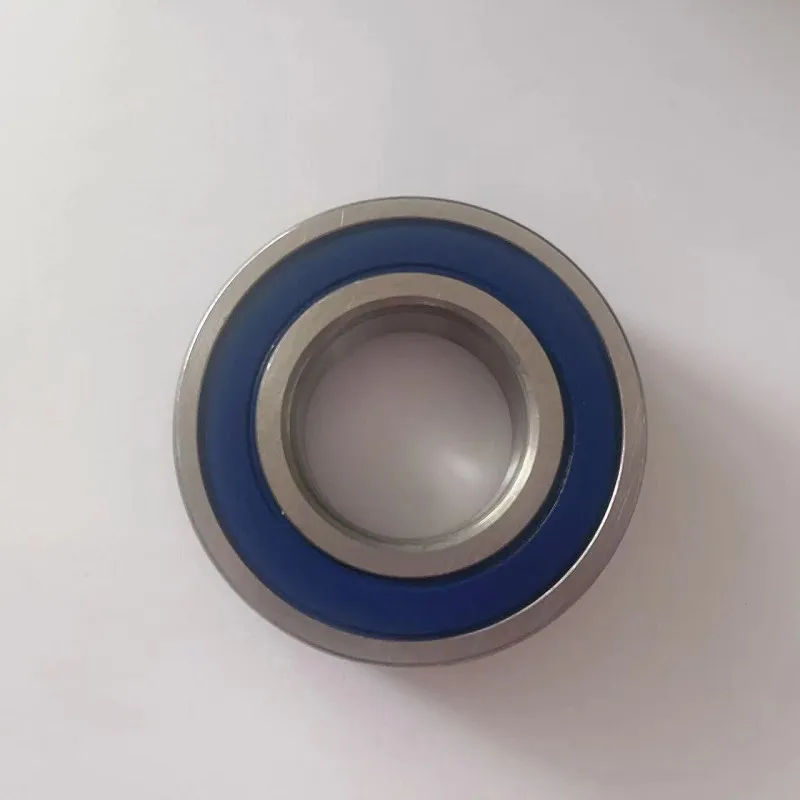

The essential specifications of ball bearings include their dimensions and operating characteristics, which will be discussed below.When specifying ball bearings, the following dimensions are crucial to consider:
Diameter Bore
A standard number system is used by the bearing industry, for bearings having metric diameter bores. To obtain the bore in millimeters, multiply bore sizes that are 04 and up by 5. If the bore is a hex, this will be referring to the dimension across the flats. If the ball is tapered, this will be referring to the smaller diameter.
Outside Diameter
If a housed unit, the outside diameter of a ball bearing does include the housing but doesn't include the flange if a flanged bearing. The overall width of the outside of the bearing is the outer ring width.
Overall Width
The locking collar, if present, is part of the overall width of the bearing assembly.
Special materials and plating options to consider for ball bearings include stainless steel, plastic, ceramic balls, ceramic races, and platings. Ball bearings are made of largely through-hardened materials with a minimum Rockwell rating of 58 Rc. 440C stainless steel and SAE 52100 steel are the most common materials for raceway and ball designs, but these alloys are not suitable for operating or friction temperatures above 350° F. Forms of molybdenum steels are excellent for temperature resistance even over 1000° F.
The shields and seals of a bearing do not carry a radial load and only light axial loads, if any. Metal shields are usually of the same material as the bearing raceways, but other common bearing face materials and their attributes are as follows:
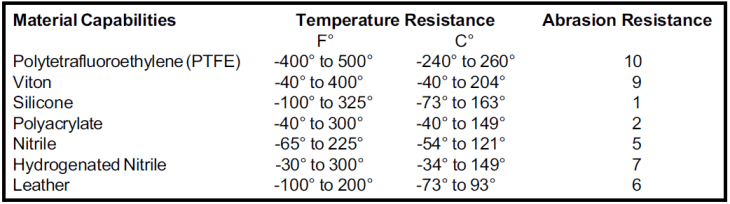
Stamped steel is the most common retainer material; stamped or machined bronze or brass and plastic (such as nylon) are also commonly available. These materials feature good temperature resistance in high-speed applications. Plastic retainers have a higher speed capability and are limited by temperatures, but plastic retainers for high-speed applications made of phenolic materials (270° F), PTFE (450° F), or polyimide (500° F) are available.
Process of Bearing Manufacturing
The manufacturing process of ball bearings involves several key stages.
Material Selection: High-quality steel, such as high carbon chromium steel, is the most common material used for making ball bearings due to its high strength and resistance to wear. Other materials such as stainless steel, ceramics, and even some plastics might be used depending on the bearing's application requirements.
Forging or Casting: The chosen material is either forged or cast into the shape of the bearing components. Forging involves heating and shaping the steel, aligning its grain structure to enhance durability. Alternatively, casting, less common but used for larger or complex parts, involves molding molten metal into the desired shape.
Heat Treatment: The forged or cast parts undergo heat treatment to enhance their hardness and durability. The parts are heated to a high temperature, then cooled rapidly in a process known as quenching, followed by tempering, where the parts are re-heated to a lower temperature and then cooled slowly. This process creates a balance between hardness for wear resistance and toughness to resist impact loads.
Machining, Grinding & Super Fine Grinding: The heat-treated parts are then machined and ground to their final dimensions with high precision. Machining processes can include turning, milling, and drilling, all performed using computer-controlled machines for accuracy. Super Fine Grinding is performed to achieve the right sphericity and surface finish, ensuring smooth and efficient operation.
Assembly and Lubrication: Finally, the inner and outer rings, balls, and cage are assembled into a bearing, and lubricant is applied to reduce friction and wear between the moving parts, ensuring the bearing operates smoothly and efficiently. The type of bearing lubricant, either oil or grease, depends on the application.
After assembly, the ball bearings are cleaned, often with non-residue cleaners, and are then ready for inspection and packaging. Each manufacturing step has its intricacies, and they all demand meticulous attention to detail to ensure the production of high-quality bearings.
Installing of Ball Bearing
There are several methods for mounting a ball bearing to a shaft or other system component, depending on the needs of the job. However, before beginning any mounting process, remember a few important details.
Keep bearing in packaging: Do not remove a bearing from its packaging until the moment it is ready to be mounted to the shaft. This mitigates the amount of dirt and other foreign material that can stick to the bearing before it is installed.
Use proper safety equipment: If working with lubrication or heat, prepare the proper equipment, such as safety glasses and high-temperature resistant gloves.
Check shaft and housing: Check the shaft and housing to ensure it is free of dirt, burrs, and other impurities that can compromise the bearing installation. If necessary, use an emery cloth to clean each component. Finally, once again measure the shaft and housing to ensure that the bearing to be mounted is the correct size.
Bearing lubrication: It's common for bearings to come pre-lubricated from the manufacturer. If this is not the case, use grease or oil to lubricate the bearing before installation. In this case, do not heat the bearing during the installation process.
Check the bearing: After installation, turn the bearing by hand. It should move freely without any resistance.
