

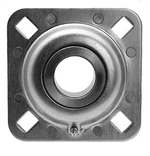
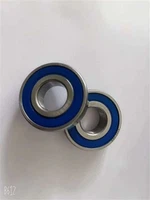



The First And Second Generation Hub Bearings Of Automobile
Hub bearings are important components in automobiles that improve the steering, stability, and safety of the vehicle. There have been two major generations of hub bearings, each with their own unique features and advantages. In this article, we will compare the first and second generations of hub bearings, discussing their differences, uses, and advantages.
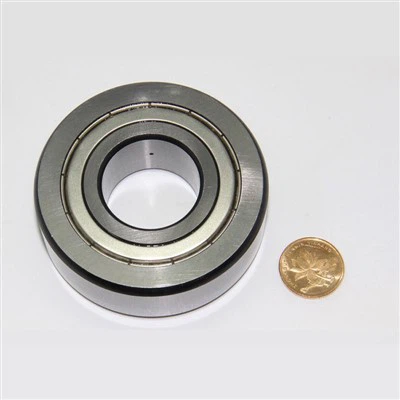
The first generation hub bearings, also known as traditional or standard hub bearings, have been used in vehicles for many years. They are commonly used in older vehicles as they are more cost-effective and require less maintenance than their newer counterparts. These bearings consist of two separate parts - the outer and inner rings - with loose balls or rollers in between, primarily supporting radial loads. The outer ring is fixed to the wheel hub and the inner ring is attached to the spindle, with the entire hub assembly bolted to the steering knuckle. The first generation hub bearings are easy to replace and do not require specialized tools or equipment.
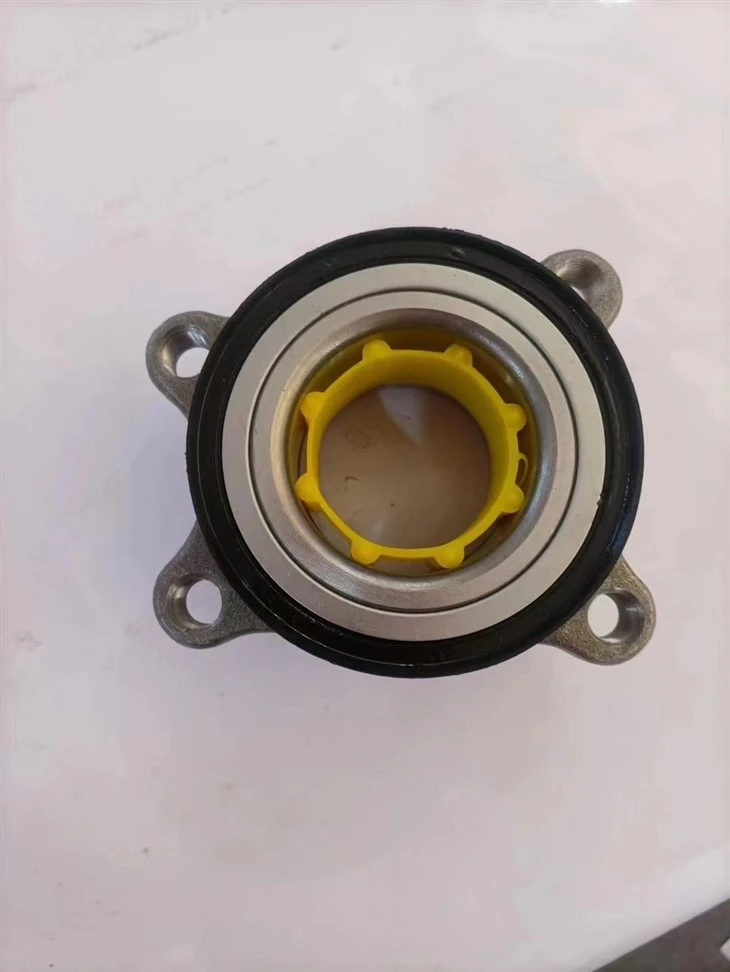
On the other hand, the second generation hub bearings, also called unitized or integrated hub bearings, are more modern and advanced. They were developed to address some of the limitations of traditional hub bearings, such as limited load capacity, noise, and vibration. Unitized hub bearings consist of a single, sealed unit with both the inner and outer rings integrated, providing greater rigidity and durability. They are designed to support both radial and axial loads and provide smoother running with reduced friction. Unitized hub assembly is also easier to install and results in more accurate alignment, reducing the likelihood of damage to other components.
Both types of hub bearings have their own uses and advantages. The first generation hub bearings are often used for smaller vehicles and light-duty applications due to their lower cost and easy maintenance. They are also suited for off-road use, as they are less susceptible to damage from rocks or other debris in the road. Additionally, they are ideal for budget-conscious consumers who want to save money on auto repairs.
On the other hand, second generation hub bearings are designed for heavier vehicles and heavy-duty applications such as trucks and SUVs. They provide enhanced safety, stability, and improved fuel economy, making them ideal for high-performance vehicles that require improved handling and stability. They are also more durable and resistant to damage in harsh environments, making them a great option for off-road use as well.
In summary, there are significant differences between the first and second generation hub bearings. Traditional bearings are less expensive, easier to replace, and better suited for smaller and off-road vehicles. Unitized bearings provide smoother operation, greater durability, and better performance and are ideal for heavy vehicles and high-performance applications. As technology continues to advance, it is likely that future generations of hub bearings will yield even greater improvements in safety, performance, and drivability, making for a better driving experience for all.
Hot Tags: the first and second generation hub bearings of automobile, China the first and second generation hub bearings of automobile manufacturers, suppliers, factory
Previous
No InformationNext
No InformationYou Might Also Like


Send Inquiry