

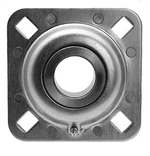
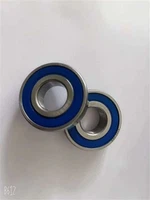

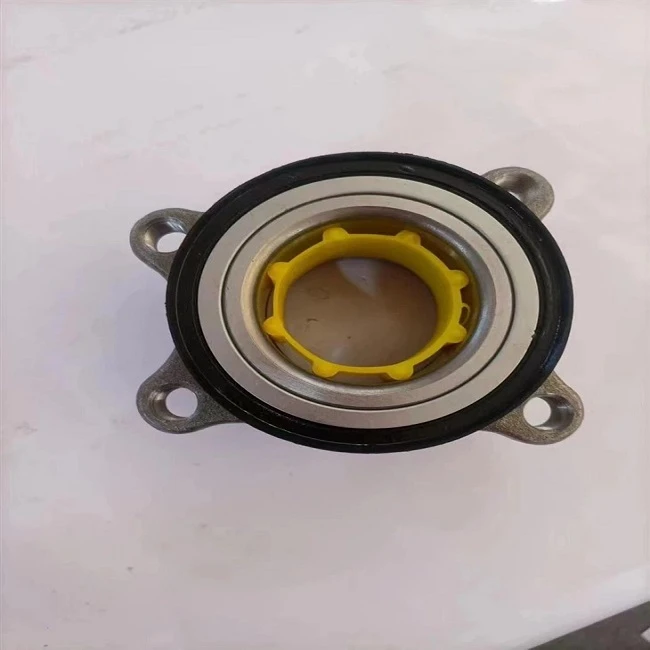
The First And Second Generation Hub Bearings Of Automobile
HGV Bearings is a fast growing company based in China. Manufacturing and Exports different types of bearings like Ball bearings ,Roller Bearings, Pillow Block Bearings, Linear Motion System,Automotive Bearings.We have over 20 years experience.We are dedicated to share the product knowledge, application expertise and consistently dependable service to our customers all the time.
Rich Experience
HGV Bearings is a fast growing company based in China. We have over 20 years experience.
Wide Range of Products
Manufacturing and Exports different types of bearings like Ball bearings, Roller Bearings, Pillow Block Bearings, Linear Motion System,Automotive Bearings.
Quality Control
We are dedicated to share the product knowledge, application expertise and consistently dependable service to our customers all the time.

The hub bearing is a critical piece of the wheel hub assembly. It is the part that connects the wheel and the axle together. More specifically, the hub bearing is a collection of steel balls, or ball bearings, that's connected by a metal ring. The bearings make your car safer to drive because they are designed to withstand radial and axial loads from acceleration, gravitation, breaking and cornering forces. Over time, the hub bearings will stop working properly, so it is something that you'll wind up replacing if you have your vehicle long enough.
Advantages of Hub Bearings
Simplified installation
The pre-assembled nature of hub bearings eliminates the need for time-consuming and complex assembly procedures. This saves both time and labor costs during the installation
process.
Precise bearing alignment
Hub bearings are factory-assembled, guaranteeing precise alignment of all components. This ensures optimal bearing performance and extends the lifespan of the unit.
Improved reliability
Hub bearings offer enhanced reliability and reduce the likelihood of premature bearing failure by reducing the risk of misalignment or improper installation.
Comprehensive compatibility
A wide range of hub bearings designed to fit various vehicle makes and models. This extensive product range ensures that customers can find the perfect hub assembly for their specific application.
The 2 Generations of Hub Bearings Explained
Generation 1: For driven or non-driven wheels
● Are still installed on some import vehicles.
● Use a compact double-row design which cannot be disassembled.
● Need a spindle or axle thru-pin to set preload and keep assembly together.
● Are pre-lubricated and maintenance free.
● May feature an ABS encoder ring as one of the seals.
Installation Tips
● Use caution when pressing corresponding components into place.
● Ensure ABS encoder is undamaged and oriented correctly prior to pressing into the knuckle.
● Make sure the bearing has seated itself fully and that any required snap rings are also fully seated.
● Always tighten the axle or spindle nuts to the proper specification, since that will set the preload on the bearing.
Generation 2: Typically used on non-driven wheels (but there are some driven applications)
● Use compact double-row ball bearings which cannot be disassembled.
● Feature an additional hub or mounting flange with a rotating inner or outer ring.
● Are pre-lubricated and maintenance free.
● May feature an ABS encoder ring.
Installation Tips
● Install is similar to Gen 1 bearings but with one mounting flange pre-fitted.
● May require special tools to remove and install.
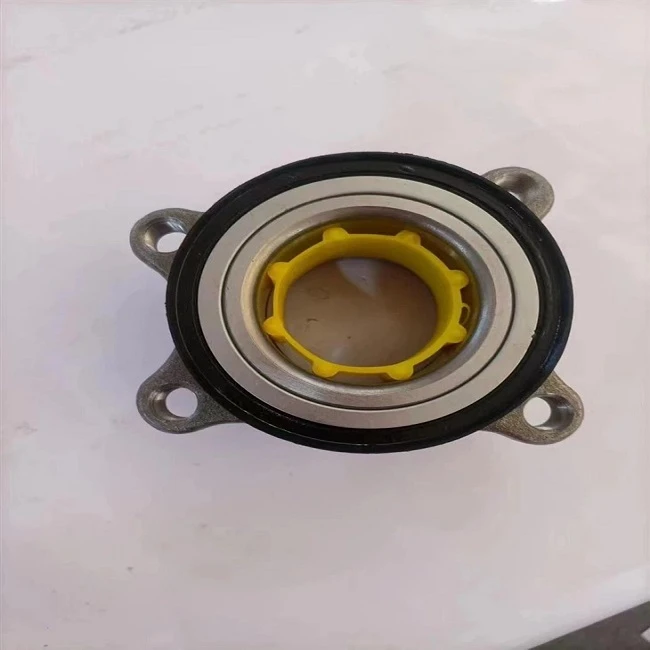
Wheel Hub Bearings Keep Wheels Spinning Smoothly
A typical wheel on a car driving about 100 km/h is spinning a little faster than 840 times per minute. Wheel hub bearings help reduce the amount of friction that this many revolutions will cause, helping to reduce the amount of heat and wear the car will experience.
When wheel hub bearings wear down, it's typical for a car to start making a variety of noises, including grinding, snapping, clunking, and other unsavoury sounds. Most cars can get by for a good while if the wheel bearing is degraded. If the wheel hub breaks completely, though, it can hamper a wheel's ability to spin so much that the car could conceivably stop moving altogether.
1. Driving through deep water
While the seal is there to act as a barrier against dirt, debris, and water, it cannot withstand large quantities of water putting pressure on it. Driving in water that is hub deep or higher may allow water into the hub bearing. This will contaminate the lubricant, causing potential hub bearing failure. This is why the passenger side hub bearings tend to wear out more quickly, since they spend more time in standing water in the gutter, when parked. If you have driven through flooded roads or puddles, you should have your hub bearings checked immediately.
2. Poor road conditions
If you consistently drive on bumpy roads, dirt roads, salty roads, or roads with potholes this will take a toll on your hub bearings. The hub bearings are carrying your entire car while ensuring your wheels continue to spin as needed. We put a lot of strain on them just from daily driving. When bumps occur we are putting extra strain on them.
The other danger is salt and dirt on the road. Salt will wear out your seals, allowing dirt to sneak into your hub bearing. These contaminants can compromise the lubricant, which is necessary to prevent too much friction. Over time this will cause hub bearing failure. If you consistently drive in poor road conditions you will need to have your hub bearings checked sooner than the average vehicle.
3. Unbalanced tires
You should be getting your tires balanced on a regular basis for many reasons. One of those reasons is to protect your hub bearings. If your tires are not balanced you will be putting uneven strain on certain tires, causing those hub bearings to work much harder, and wear out faster.
4. Overweight loads
If you haul heavy loads your hub bearings will wear out more quickly. An often forgotten hub bearing is on trailers. So don't forget to have those hub bearings checked along with your vehicle. If your vehicle is consistently weighed down, you will need to replace your hub bearings more frequently.
5. Improper installation
Another common cause of hub bearing failure is improper installation. This can occur if a mechanic is negligent or doesn't install the hub bearings according to manufacturer guidelines. They may also use poor quality hub bearings. Using a low quality hub bearing will cause premature wear and possible failure because they will mix hard and soft metal, causing spalling to occur. Spalling is when the bearing wears down enough to the soft metal underneath, which will peel off in flakes.
Hub bearings are critical for your car's performance. They reside inside a wheel to help the wheel rotate smoothly and competently by decreasing the amount of friction created by other various parts of the drive train system. When hub bearings become damaged or require replacement, it can lead to devastating effects if not replaced properly.
When hub bearings are not replaced with the proper tools, equipment, and attention to detail, it can cause further, more significant damage to the part over time. Bearing assemblies are a simple mechanical design, but their function is essential to the smooth rotation of your wheels. When one hub bearing goes bad, it can cause a concerning noise coming from your wheel, especially at higher speeds, and it can cause other gradual side effects to your alignment and wheel balance.
Components of Hub Bearings
Inner and outer ring: These rings form the structural framework of the bearing, providing support and stability for operation.
Rolling elements (balls or rollers): Positioned between the inner and outer rings, these are the actual components responsible for enabling smooth rotation. Depending on the design and specific application, hub bearings can feature either balls or rollers as their rolling elements.
Cage: The rolling elements are housed and separated by a cage, which serves to retain them in their proper positions. The cage maintains the spacing between the rolling elements and prevents any unwanted friction or interference by providing smooth movability.
This precision-engineered assembly is designed with meticulous attention to detail, considering factors such as load-bearing capacity, durability, and operational efficiency. The synergy of these components allows hub bearings to withstand the demands of vehicular motion while providing reliable and consistent performance.
Hub bearings play a more significant role in fuel economy than one might initially presume. When hub bearings are worn out or damaged, they create extra friction between the wheel hub and the spindle. This additional resistance, while seemingly insignificant, forces the engine to work harder to keep the wheels turning. As a result, your vehicle consumes more fuel, negatively affecting its mileage and efficiency.
Over time, the increased fuel consumption due to faulty hub bearings can add up to a substantial sum. Considering the rising costs of fuel, this is an expense most vehicle owners would prefer to avoid. Therefore, regular maintenance and prompt replacement of your hub bearings can indirectly improve your car's fuel efficiency, leading to tangible savings at the fuel pump. In essence, well-maintained hub bearings contribute not only to a smooth ride but also to a more economical one.
The car hub bearings are located within the wheel hub assembly.
This is the part that connects the wheel to the vehicle's suspension system.
In most vehicles, the hub bearing is a sealed unit that is pressed into the hub assembly. It is positioned between the inner and outer bearing races, which are the metal rings that contain the steel balls or rollers.
The hub assembly, with the hub bearing inside, is then mounted onto the spindle or axle shaft of the vehicle.
Depending on the vehicle's design, there may be one or two hub bearings per wheel. In a front-wheel-drive vehicle, each front wheel usually has a hub bearing assembly, while rear-wheel-drive vehicles may have hub bearings in the front and rear wheels.
It's worth noting that the specific location and design of bearings may vary slightly between different vehicle models and manufacturers.
How to Make Your Hub Bearings Last Longer
Here are some tips on how to get the most out of your hub bearings:
Drive carefully
The harder the hub bearing works, the faster it wears out. You can reduce the bearing's workload by driving carefully. Avoid rough maneuvers like abrupt acceleration and sharp turns, which can put a lot of physical stress on the hub bearings.
Avoid deep water or mud
Most hub bearings can handle getting splashed by water or mud. However, steer clear of deep puddles of water or mud patches that can sink the wheels up to the hub. Dunking the wheel hubs makes it more likely for contaminants to get inside the bearings.
Replace hub bearings in pairs
If you're replacing an old or broken hub bearing, it's a good idea to change the bearing on the opposite side of the vehicle. If both bearings were installed at the same time, they would have gone through the same conditions and usage.
Ensure the quality of replacement hub bearings
It's possible to get a high-quality hub bearing replacement without going over your budget. It helps to research different brands and read customer reviews about the quality of their hub bearings.
Install new hub bearings correctly
Unless you have extensive experience in DIY car repair and maintenance, bring your vehicle to an auto shop and have a professional mechanic install your new hub bearings.
If you plan on replacing the hub bearings yourself, be sure to follow the manufacturer's recommended installation procedure.
Install hub bearings suitable for vehicle modifications
If you're set on modifying your vehicle, it's a good idea to replace the stock hub bearings. Installing stronger performance bearings can help handle the increased load and stress from custom parts.
Although hub bearings are engineered to last the entire lifespan of your vehicle, they can break and get worn out. Most hub bearings last about 85,000 to 100,000 miles before they need to be replaced. Some vehicles have hub bearings that last a lot longer, and some vehicles need them replaced fairly quickly. It all depends on the quality of your hub bearings and your usual driving conditions.
Since your hub bearings are located on your wheel, they need to be able to withstand harsh driving and weather conditions potholes, speed bumps, rain, dust, and more. All these harsh conditions can reduce their lifespan, so you should keep an eye out for the symptoms of a failing hub bearing rather than relying on a timeline.